Vintage Hot Rod Restoration: A Guide to Bringing Classics Back to Life
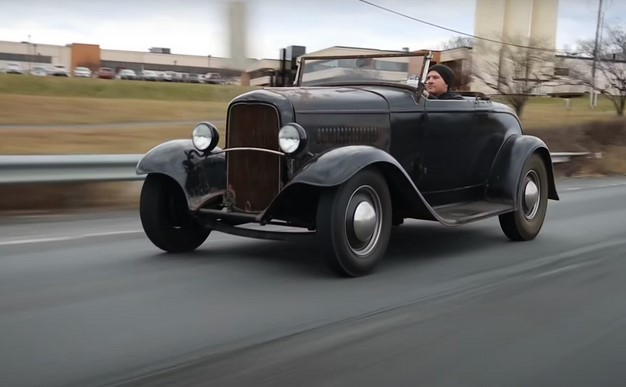
Source:https://hagerty-media-prod.imgix.net
There is a distinct, unmistakable smell that greets you when you crack open the door of a barn-find project car. It’s a heavy mix of decades-old oil, decaying upholstery, oxidized sheet metal, and pure potential.
The first time I stood before a rusted, engineless 1932 Ford Tudor sedan over a decade ago, my friends told me I was completely out of my mind. It looked like a pile of scrap metal, but where they saw junk, I saw a canvas for a beautiful piece of Americana.
Stepping into the world of vintage hot rod restoration is a profound rite of passage for any automotive enthusiast. It is part archaeology, part fine art, and part heavy-duty mechanical engineering. Let’s lift the garage door and break down the exact steps, technical challenges, and insider strategies needed to transform a relic of the past into a road-carving masterpiece.
The Philosophy of the Build: Resto-Mod vs. Period-Correct
Before you turn a single wrench or buy a replacement body panel, you must establish a clear vision for your project. In the hot rod community, builders generally split into two distinct philosophical camps.
Period-Correct Traditional Hot Rods
A traditional restoration focuses on building the car exactly how it would have been built in the 1940s, 50s, or 60s. This means tracking down rare, vintage speed parts, utilizing a classic flathead V8 engine, and keeping modern electronics completely out of sight. It is a time-consuming process that requires deep historical research, but the result is a rolling time capsule.
The Resto-Mod Approach
Resto-modding blends classic aesthetics with modern automotive technology. You keep the iconic, high-fendered vintage look on the outside, but underneath the sheet metal, you install a modern crate engine (like an LS or a Coyote V8), independent front suspension, and electronic fuel injection (EFI).
Think of a resto-mod like updating a beautiful historic house. You keep the original hardwood floors and stained-glass windows, but you completely overhaul the plumbing, wiring, and air conditioning to make it comfortable for daily life.
Phase 1: Structural Integrity and Boxing the Frame
Vintage cars from the 1920s and 1930s were never designed to handle the massive horsepower and torque produced by a modern V8 engine. If you simply drop a high-output powerplant into an unmodified original frame, the chassis will twist like a damp towel the moment you step on the gas pedal.
The Art of Boxing Rails
To prevent catastrophic structural failure, the first technical step in a vintage hot rod restoration is often boxing the frame rails. Original vintage frames utilize an open “C-channel” steel design, which allows for a lot of flexibility.
-
Welding Steel Plates: Builders weld thick steel plates inside the C-channel to convert it into a rigid, fully enclosed rectangular box.
-
Installing a Crossmember: Adding a central K-member or X-member between the frame rails distributes structural loads evenly across the chassis.
-
Chassis Geometry: Ensuring the frame remains perfectly square during this process is critical; even a 1/16-inch variance can ruin your car’s alignment down the road.
Phase 2: Choosing Your Powertrain and Suspension Blueprint
The heart and soul of any hot rod lie within its drivetrain configuration. Your choices here will dictate how the car sounds, feels, and behaves at cruising speeds.
Vintage Iron vs. Modern Muscle
If you want that authentic, old-school hot rod loping sound, nothing beats a vintage Ford Flathead V8 running on dual Stromberg carburetors. However, if reliability and effortless highway cruising are your main goals, an overhead-valve (OHV) small-block engine paired with an automatic overdrive transmission is the industry gold standard.
Taming the Ride: Suspension Dynamics
Original 1930s vehicles utilized rigid front axles and transverse leaf springs, which can make driving over potholes feel incredibly harsh.
Modern restorations frequently swap this setup out for an independent front suspension (IFS) kit featuring tubular control arms and adjustable coilover shocks. This modification brings the vehicle’s handling dynamics straight into the 21st century, providing sharp steering response and excellent high-speed stability.
Phase 3: Bodywork, Rust Mitigation, and Metal Shaping
This is where many beginners hit a brick wall. Vintage hot rods are notorious for hidden rust, especially along the lower cowl panels, rocker panels, and floorboards.
Say Goodbye to Bondo Abuse
In the old days, shady builders would pack rusted-out body cavities full of plastic filler (Bondo) and paint right over it. A proper restoration requires cutting out the rotted metal completely with a plasma cutter or cutoff wheel and welding in fresh, matching steel patch panels.
To get those perfectly straight body lines, master fabricators use specialized metal-shaping tools:
-
English Wheel: An analog machine used to craft smooth, compound curves into flat sheets of steel or aluminum.
-
Shrinker/Stretcher: Tools that allow you to curve metal angles around tight corners, like wheel wells.
-
Cleco Fasteners: Temporary rivets used to hold body panels perfectly in place before final TIG or MIG welding occurs.
Tips Pro: The Hidden Cost of “Cheap” Project Cars
When browsing online marketplaces, it is incredibly tempting to buy a completely disassembled vehicle or a heavily rusted body shell just because the price tag is low. Don’t fall into this trap.
Buying a complete, running, and driving car with faded paint and missing trim is almost always cheaper in the long run than trying to source hundreds of individual, hard-to-find vintage brackets, door handles, window regulators, and trim pieces from swap meets.
Phase 4: Rewiring and Plumbing for Long-Term Reliability
If rust is a hot rod’s worst enemy, faulty wiring is a very close second. Vintage electrical systems utilized cloth-wrapped wiring and primitive generators that simply cannot handle the electrical loads of modern headlights, electric cooling fans, and digital audio systems.
Upgrading to a Modern Fuse Block
One of the smartest upgrades you can make during a vintage hot rod restoration is installing a completely new, modern wiring harness featuring an ATC fuse block. This replaces the old, brittle glass-fuse systems with modern, blade-style fuses that safely isolate individual electrical circuits.
When plumbing your fuel and brake lines, stay far away from cheap rubber hoses. Opt instead for hard-lined stainless steel or nickel-copper (NiCopp) lines, which resist corrosion and can safely withstand the high pressures of modern hydraulic brake boosters and fuel injection systems.
The First Start: The Ultimate Reward
After months—or sometimes years—of scraped knuckles, late nights in the garage, and meticulous problem-solving, the moment finally arrives. You prime the fuel pump, clear the garage of loose tools, and turn the ignition key.
When that engine clears its throat and barks to life through open headers, shaking the concrete floor beneath your feet, every single ounce of frustration instantly evaporates. You haven’t just built a vehicle; you have preserved history and breathed life back into an American icon.
Are you planning to tackle a vintage build in your own garage? Do you prefer the raw, mechanical purity of a period-correct traditional build, or the turnkey reliability of a modern resto-mod? Let me know your thoughts and project ideas in the comments below!