Best American Classic Cars of All Time: Legendary Models That Still Shine
Source:https://static0.hotcarsimages.com
Walk into any modern showroom, and you are greeted by an ocean of silent electric vehicles, complex infotainment screens, and muted exhaust notes. But twist the key of a 1960s V8 masterpiece in a cold garage, and the world changes. The floorboards shake, the smell of unburned high-octane fuel fills the air, and a mechanical, guttural roar snaps you awake. It is an visceral, raw experience that no modern driving assistant can ever replicate.
Over my ten-plus years restoring vintage iron and writing about automotive history, I’ve had my hands deep inside the engine bays of America’s finest eras. I have scraped decades of road grime off chassis rails and felt the terrifying thrill of driving drum-brake muscle cars down winding highways. If you are looking to understand the golden age of Detroit steel, you are in the right place.
Let’s dive into the best American classic cars of all time—the legendary models that continue to define automotive culture.
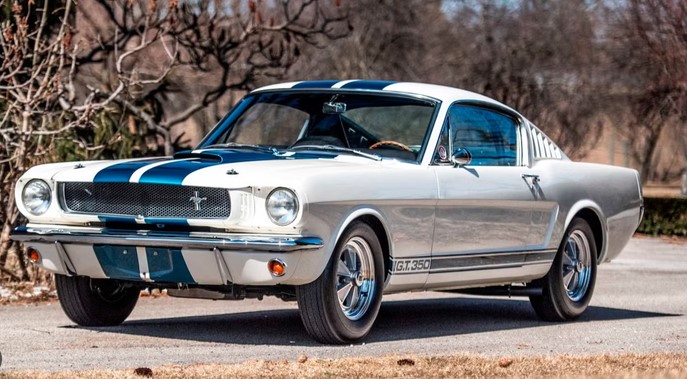
1. Ford Mustang (1965–1969): The Pony Car Revolution
In 1964, Ford pulled off one of the greatest marketing coups in history. They realized younger buyers wanted something sporty, affordable, and highly customizable. Enter the Mustang. It didn’t just sell well; it created an entire market segment known as the pony car.
The Mechanical Soul
Underneath its long hood and short rear deck hid the approachable mechanical underpinnings of the humble Ford Falcon. This genius move kept production costs incredibly low. But when optioned with the 289 cubic-inch “Hi-Po” V8 engine and a four-speed manual transmission, the lightweight Mustang transformed into an absolute street brawler.
Why It Still Shines
The Mustang is the ultimate entry point for intermediate classic car enthusiasts. Because Ford sold millions of them, the aftermarket support is unmatched. You can practically build a brand-new 1965 Mustang entirely out of a parts catalog.
2. Chevrolet Corvette Sting Ray (1963–1967): America’s Sports Car
If the Mustang represented the accessible freedom of the American highway, the second-generation (C2) Corvette Sting Ray was a spaceship on wheels. Designed by the legendary Larry Shinoda under the watchful eye of Bill Mitchell, the C2 took inspiration from marine life and racing prototypes.
The Mechanical Soul
The 1963 model year introduced the automotive world to the famous “Split-Window” coupe, a design element so beautiful it caused fierce arguments between designers and engineers. Beneath that radical fiberglass body sat a brand-new independent rear suspension setup, allowing the Corvette to corner like a true European sports car while packing American muscle.
-
Engine Range: From the sweet-revving 327 small-block to the monstrous, pavement-shredding 427 cubic-inch Big-Block V8.
-
The Power Delivery: It utilized mechanical fuel injection (Rochester) on high-end models, a highly advanced feature for the early 1960s.
3. Chevrolet Camaro (1967–1969): The Direct Response
When General Motors saw the runaway success of the Mustang, they went to war. Their answer was the 1967 Chevrolet Camaro. When automotive journalists asked GM executives what a “Camaro” was, they famously replied: “A small, vicious animal that eats Mustangs.”
The Mechanical Soul
The first-generation Camaro reached its peak design in 1969, featuring a wider, more aggressive stance and iconic cowl-induction hoods. Buyers could choose anything from a mild inline-six to the track-focused Z/28 package (built for Trans-Am racing) or the brutal SS (Super Sport) variants.
The Analogy
Understanding the difference between a small-block and big-block engine option in these classic Camaros is like comparing a nimble welterweight boxer to a heavy-hitting sumo wrestler. The small-block 302 or 350 engines loved high RPMs and canyon carving. The heavy 396 big-block turned the car into a straight-line missile designed to dominate drag strips.
Technical Snapshot: The Big Three Legends Compared
To help you see how these icons stack up, here is a breakdown of their peak performance eras in the late 1960s.
| Model & Peak Year | Engine Style | Cultural Impact | Driving Characteristic |
| Ford Mustang (1965) | Small-Block V8 (289 cid) | Created the youth pony car segment | Nimble, light on its feet, highly customizable |
| Chevrolet Corvette (1963) | Fuel-Injected / Big-Block | Established America on the global sports car stage | Sharp handling, exotic styling, brutal acceleration |
| Chevrolet Camaro (1969) | Small or Big-Block Options | Defined the golden age trans-am & drag race wars | Aggressive stance, raw mechanical muscle feedback |
Expert Advice: The Reality of Buying and Owning Vintage Iron
The “Bondo” and Rust Trap
When you are hunting for the best American classic cars of all time, do not let a shiny paint job blind you. In the 1960s, rust prevention was practically non-existent.
Unscrupulous sellers often fill rotted metal body panels with plastic body filler (commonly known as Bondo) and paint right over it. Always bring a small, cloth-wrapped magnet when inspecting a classic car. Run it along the lower quarter panels, rocker panels, and floorboards. If the magnet drops off or feels weak, you are looking at hidden plastic body filler instead of real Detroit steel. Repairing structural rust can easily double the cost of your restoration project.
The Timeless Appeal of American Iron
The magic of these classic American machines isn’t found in their 0–60 mph times or their cornering G-forces—by modern standards, a basic family hatchback can out-corner most 1960s muscle cars. The magic lives in the connection between human and machine. There are no computer chips managing your traction, no electric motors steering for you, and no synthetic engine noises pumped through speakers. It is just you, a carburetor, a rear-wheel-drive axle, and the open road.
Which era of American muscle captures your imagination? Are you a purist who dreams of a split-window Corvette, or do you prefer the aggressive street style of a ’69 Camaro? Drop a comment below with your favorite classic car, and let’s talk shop!