Cold Air Intake Benefits: How It Improves Performance
Source:https://i1.wp.com
When it comes to enhancing vehicle performance, many car enthusiasts focus on tuning the engine, upgrading exhaust systems, or investing in premium fuel. However, one of the most overlooked yet significant modifications that can boost engine efficiency and overall performance is a cold air intake system. Cold air intake benefits go beyond mere aesthetics or noise, playing a critical role in improving engine power, fuel efficiency, and long-term reliability. In this article, we will explore the various advantages of installing a cold air intake, how it works, and why it is a must-have upgrade for performance-focused drivers.
Understanding Cold Air Intake
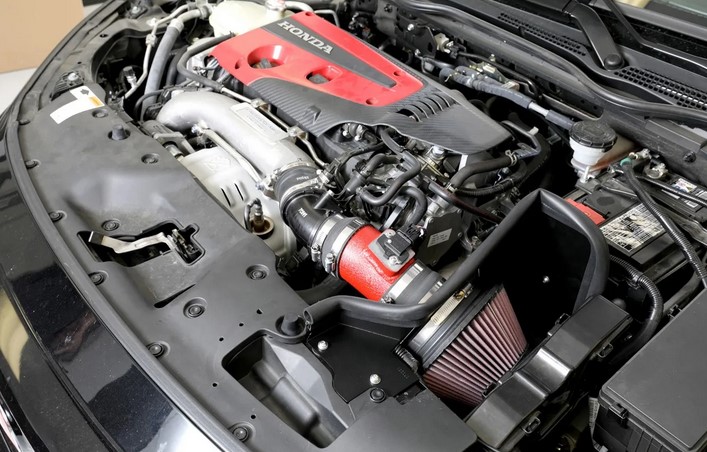
A cold air intake (CAI) is a component designed to bring cooler, denser air into the engine for combustion. This system replaces the vehicle’s stock air intake, which typically pulls air from the engine bay, where the air temperature is often high due to heat produced by the engine. The cold air intake directs airflow from outside the engine bay, where the air is cooler. The colder air holds more oxygen, which allows the engine to burn fuel more efficiently and produce more power.
The core function of the cold air intake system is simple—introducing cooler air into the engine for combustion. But the impact of this simple mod on engine performance is profound, which is why many high-performance vehicles are equipped with upgraded CAIs.
1. Increased Engine Power
One of the most significant cold air intake benefits is the increase in engine power. The cooler, denser air entering the combustion chamber provides more oxygen molecules, which allows for a more efficient combustion process. This enhanced combustion translates into more power output from the engine.
For performance vehicles or those that participate in racing, even a slight increase in power can make a noticeable difference. The colder air, which is denser and has a higher oxygen content, ensures the engine can maximize its fuel-to-air ratio, leading to increased horsepower. Depending on the specific make and model, adding a CAI can result in a gain of anywhere from 5 to 20 horsepower, or even more in high-performance engines.
2. Improved Fuel Efficiency
Cold air intake systems don’t just improve power; they can also increase fuel efficiency. A common misconception is that increasing engine power comes at the cost of fuel economy. While it’s true that performance upgrades often lead to increased fuel consumption, the cold air intake system works by improving the air-to-fuel ratio, allowing the engine to burn fuel more efficiently.
With more oxygen available for combustion, the engine doesn’t need to burn as much fuel to produce the same amount of power. This results in a leaner fuel mixture, which can improve gas mileage. While the improvement in fuel efficiency may not be drastic, it can be noticeable over time, particularly for daily drivers or those who commute frequently.
3. Enhanced Throttle Response
Another significant advantage of a cold air intake system is improved throttle response. When an engine receives a larger, more consistent flow of cold air, it can react more quickly to the driver’s throttle input. The increase in air volume and pressure allows the engine to respond more promptly when you accelerate, providing a more engaging driving experience.
In practical terms, this means that when you press the accelerator pedal, the engine will pick up speed faster, and the vehicle will respond with more enthusiasm. This enhanced throttle response is particularly beneficial in performance driving, where quick acceleration and responsiveness are essential.
How Cold Air Intake Impacts Engine Longevity
Aside from performance benefits, one of the often-overlooked aspects of a cold air intake system is its potential to extend engine life. By improving combustion efficiency, the engine operates at an optimal temperature, which reduces the stress placed on components such as pistons, cylinders, and valves. Over time, this can result in less wear and tear on the engine, promoting longevity and reliability.
Furthermore, the fact that cold air intake systems tend to replace restrictive factory intake systems with more efficient designs also reduces the chances of engine knock and other performance-related issues. In the long run, the engine is subjected to less strain, which could mean fewer repairs and a more durable powertrain.
4. Easy Installation and Cost-Effective Upgrade
For car enthusiasts and DIYers, the cold air intake system offers one of the easiest and most cost-effective upgrades. Installation is relatively straightforward and can often be completed in a few hours with basic tools. Most aftermarket cold air intake systems are designed to fit specific car models, ensuring compatibility and easy installation.
Additionally, when compared to other performance upgrades such as turbochargers or exhaust systems, cold air intakes are relatively affordable. This makes it an excellent first mod for those looking to improve their vehicle’s performance without breaking the bank. Given the power gains, improved efficiency, and relatively low cost, a cold air intake is often considered one of the best value modifications for performance cars.
The cold air intake benefits are clear: from increasing horsepower and improving fuel efficiency to providing better throttle response and enhancing engine longevity, the advantages of this simple modification are undeniable. Whether you’re a car enthusiast looking to optimize performance or simply want to improve the efficiency of your daily driver, installing a cold air intake system is a valuable investment. Not only does it boost your engine’s power output, but it also contributes to a more responsive, efficient, and longer-lasting engine. If you’re serious about improving your vehicle’s performance, the cold air intake should be at the top of your list.