How to Clean a Car Engine: Safe and Effective Methods
Source:https://s25180.pcdn.co
When it comes to car maintenance, cleaning the engine is often overlooked, yet it plays a vital role in ensuring optimal performance and longevity of your vehicle. An engine that is regularly cleaned is less prone to overheating, oil leaks, and debris buildup that can impair its function. Knowing how to clean a car engine properly not only helps maintain a clean aesthetic but also improves the engine’s efficiency by removing harmful grime, oil, and dirt that accumulate over time. In this guide, we’ll explore safe and effective methods to clean your car engine and the steps you should follow to ensure that you don’t damage any sensitive components.
Why Cleaning Your Car Engine Matters
Keeping the engine bay clean is more than just a cosmetic choice—it’s essential for your vehicle’s overall health. Dirt and grime buildup can trap moisture, potentially leading to rust or corrosion on various parts of the engine. Furthermore, grease and oil buildup can affect the performance of critical engine components such as the belts, wires, and hoses, increasing the risk of failure or damage.
Cleaning your car engine regularly allows you to inspect for leaks, cracks, or wear and tear, ensuring you catch issues early before they turn into expensive repairs. Moreover, a clean engine runs cooler, as it reduces the heat retention caused by dirt buildup. In short, cleaning your engine is not just about aesthetics; it’s about maintaining your car’s performance and reliability.
1. Preparing for the Engine Cleaning
Before you start cleaning, it’s important to take the proper precautions to avoid damaging any electrical components or causing harm to yourself. Here are the initial steps to follow:
Gather Your Tools and Materials
To clean your car engine effectively, you’ll need the following tools:
- Engine degreaser or cleaner: Look for a non-corrosive degreaser that is safe for automotive use.
- Plastic bags or covers: Protect sensitive electrical parts, such as the distributor, air intake, and battery, by covering them with plastic bags or plastic wrap.
- Brushes: Use soft-bristle brushes to scrub away dirt without causing damage.
- Microfiber cloths or rags: For wiping down the engine components and drying surfaces after cleaning.
- Garden hose or pressure washer: A garden hose with a spray nozzle is ideal for rinsing off the engine. If using a pressure washer, be sure to set it on a gentle spray to avoid damaging any parts.
- Plastic gloves and safety glasses: Protect yourself from grease, chemicals, and debris.
Safety First
Ensure that the engine is turned off and completely cool before you begin. Cleaning a hot engine can lead to burns or cause damage to components. Additionally, always disconnect the vehicle’s battery, especially when dealing with electrical parts, to avoid any accidents.
2. Step-by-Step Guide on How to Clean a Car Engine
Now that you’ve prepared your tools and taken safety measures, it’s time to start cleaning the engine. Follow these steps to clean your car engine effectively:
Step 1: Cover Sensitive Areas
Start by covering sensitive components, such as the battery, alternator, and electrical connectors, with plastic bags or plastic wrap. Be sure to securely fasten the covers to prevent water from entering these areas. It’s also a good idea to cover the air intake system to keep water from entering the engine.
Step 2: Dry Brush the Engine
Using a dry, soft-bristle brush, gently scrub away any loose dirt, leaves, or debris from the engine. Pay attention to areas like the radiator, the underside of the hood, and around the belts and hoses. This helps to dislodge any larger particles before applying any cleaning agents.
Step 3: Apply Engine Degreaser
Once the loose debris has been removed, it’s time to apply the engine degreaser. Spray a generous amount of degreaser onto the engine, focusing on areas with heavy grease buildup, such as the oil pan, valve covers, and areas around the belts. Let the degreaser sit for 5-10 minutes, allowing it to break down the grease and grime.
Be careful not to overspray onto sensitive components like the ignition coils or spark plugs. If needed, use a small brush to gently scrub areas with stubborn grime. Ensure that the degreaser is spread evenly across the engine bay.
Step 4: Rinse the Engine
After the degreaser has had time to work, rinse off the engine using a garden hose with a spray nozzle. Keep the water pressure on low to avoid damaging any sensitive parts. Be sure to rinse thoroughly to remove all the degreaser and loosened grime.
If you’re using a pressure washer, be cautious around electrical connections, hoses, and belts, as high pressure could dislodge or damage these components. Rinse from a safe distance, keeping the nozzle several inches away from the engine parts.
Step 5: Dry and Wipe the Engine
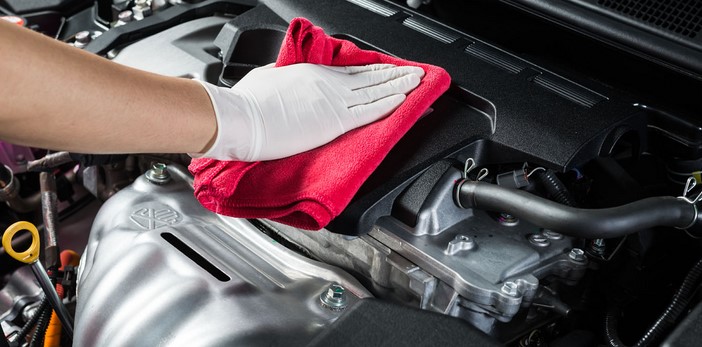
After rinsing, use microfiber cloths or rags to dry off the engine. Wipe down all surfaces, including the covers, to remove excess water. It’s crucial to dry the engine thoroughly to prevent any rust or corrosion from forming. Use a dry cloth to wipe down the electrical connectors and exposed areas.
Step 6: Remove Covers and Check for Issues
Once the engine is clean and dry, remove the plastic covers you had placed earlier. Inspect the engine for any signs of wear, damage, or leaks. This is the perfect time to check for any potential issues that may need attention, such as cracked hoses, loose components, or leaks.
Step 7: Reconnect the Battery
Finally, reconnect the car battery. Start the engine to ensure everything is running smoothly and that there are no unusual sounds or issues. A clean engine should operate efficiently, and any unusual behavior could indicate a problem that needs further attention.
3. Tips and Best Practices for Engine Cleaning
To keep your engine in top shape, follow these additional tips:
- Avoid harsh chemicals: Always use automotive-specific degreasers and avoid household cleaners or solvents that may harm your engine components.
- Clean the engine regularly: A deep clean every six months or so can help keep your engine in good condition and prevent buildup.
- Protect the engine: After cleaning, consider using a protective spray or engine dressing to keep the components looking new and reduce the buildup of dirt in the future.
- Avoid water on electrical components: Be extra cautious around sensitive electrical components. If you’re unsure, consult a professional to ensure you don’t cause any damage.
Knowing how to clean a car engine is an essential skill for any vehicle owner who wants to maintain the longevity and performance of their car. By following the proper steps and using safe techniques, you can ensure that your engine runs smoothly and efficiently, all while maintaining its aesthetic appeal. Regular engine cleaning also provides an opportunity to inspect for potential issues, catch leaks early, and improve the overall health of your vehicle. Taking care of your engine in this way is not only about keeping it clean but also about ensuring that it runs at its best for years to come.