Fix Power Steering: Common Problems and How to Repair Them
Source:https://assets.myautoshop.co.nz
Power steering is an essential component of modern vehicles, providing the ease and comfort of effortless steering, especially at low speeds or while parking. When you encounter problems with your power steering, it can be a serious inconvenience, affecting your ability to safely control your car. If you’re wondering how to fix power steering issues, understanding the most common problems and their solutions is crucial. In this article, we’ll explore the typical power steering problems, the causes behind them, and step-by-step solutions to help you address the issue.
Understanding Power Steering System
Power steering works by using hydraulic or electric actuators to amplify the force you apply to the steering wheel. This system makes it easier to turn the wheels, especially at low speeds, by reducing the amount of effort required. The power steering system typically consists of the following components:
- Steering pump: Provides hydraulic pressure to the system (in hydraulic systems).
- Power steering fluid: Transfers power and lubricates the system.
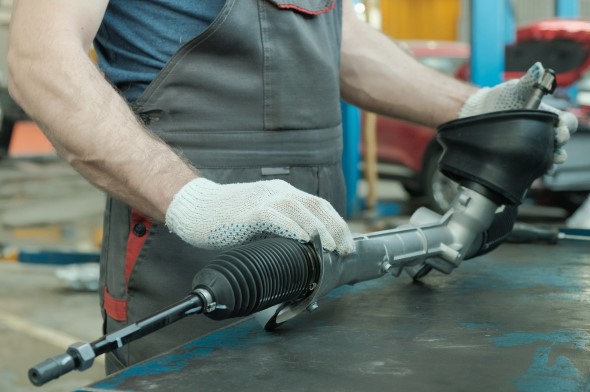
- Steering rack or gearbox: Converts the hydraulic pressure into mechanical movement to steer the vehicle.
- Hoses and belts: Carry fluid and assist in driving the pump.
- Electric assist motors: In modern vehicles, these provide additional steering force electronically.
When something goes wrong with any of these components, it can lead to poor steering performance, making it difficult or even dangerous to drive your vehicle.
Common Power Steering Problems and How to Repair Them
There are several common issues that can arise with power steering systems. Identifying the cause of the problem early can save you time and money on repairs. Here’s a look at the most frequent power steering issues and how to fix power steering problems.
1. Low or Contaminated Power Steering Fluid
One of the most common reasons for power steering issues is low or contaminated fluid. Power steering fluid lubricates the system, reducing friction and providing the necessary hydraulic pressure for the system to function. If the fluid is low or dirty, it can lead to erratic or stiff steering.
Signs of this problem:
- Difficulty steering or a stiff steering wheel.
- Unusual whining noises when turning the wheel.
- Fluid leakage underneath the vehicle.
How to fix it:
- Check fluid levels: Start by locating the power steering reservoir and checking the fluid level. If it’s low, top it up with the recommended fluid (make sure to use the type specified in your vehicle manual).
- Flush the system: If the fluid is contaminated or dark, it may need to be flushed and replaced with fresh fluid. This process typically requires professional help, as it involves draining and cleaning the system.
- Check for leaks: If you notice a drop in fluid levels, inspect the hoses, pump, and rack for leaks. You can replace damaged hoses or seals yourself, but in some cases, the system may need professional repair.
2. Power Steering Pump Failure
The power steering pump is responsible for pressurizing the fluid to make steering easier. If the pump fails, the steering will become difficult, and you may hear a whining or groaning noise as the pump works harder than usual.
Signs of this problem:
- Difficulty turning the steering wheel, especially at lower speeds.
- Grinding or whining noises coming from the pump.
- Fluid leaks around the pump area.
How to fix it:
- Inspect the pump: First, check if the pump is leaking or damaged. If the fluid levels are adequate and you still experience symptoms, the pump may need replacement.
- Replace the pump: If the pump is worn out or faulty, it will need to be replaced. Replacing the pump is a relatively complex job, as it involves removing the old pump and installing a new one. This job can typically be done by a professional mechanic, though some experienced DIYers may be able to handle it with the right tools.
- Bleed the system: After replacing the pump, you’ll need to bleed the air out of the power steering system to ensure it functions properly. This step requires a specific procedure outlined in the vehicle’s service manual.
3. Damaged Steering Rack or Gearbox
The steering rack or gearbox is responsible for converting the hydraulic pressure from the power steering pump into the steering movement of the wheels. Over time, wear and tear can lead to leaks or other issues in this part of the system.
Signs of this problem:
- Excessive play or looseness in the steering wheel.
- Difficulty turning the steering wheel.
- Fluid leaking near the steering rack or gearbox.
How to fix it:
- Inspect for leaks: Check the steering rack and hoses for any signs of leakage. If the leak is minor, you may be able to replace seals or gaskets. For more extensive damage, the entire rack may need replacement.
- Replace the steering rack: If the steering rack is beyond repair, it will need to be replaced. Replacing the steering rack requires significant disassembly of the vehicle’s front end, making it a job that’s best suited for an experienced mechanic.
- Consider the gearbox: In some vehicles, a steering gearbox is used instead of a rack. The repair process is similar, but you’ll need to ensure the correct part is replaced based on your vehicle’s configuration.
4. Worn or Loose Belts
The power steering pump is typically driven by a serpentine belt or drive belt. Over time, these belts can become worn or loose, leading to inconsistent fluid pressure and difficulty steering.
Signs of this problem:
- Squealing noises when turning the steering wheel.
- Difficulty steering, especially at idle or low speeds.
- Poor performance of the power steering system.
How to fix it:
- Inspect the belt: Look for any visible wear, cracks, or fraying on the belt. A loose or damaged belt will need to be replaced.
- Tighten the belt: If the belt is loose, it may need to be tightened. Most vehicles have an automatic tensioner, but if the tensioner is broken, it may need to be replaced.
- Replace the belt: If the belt is damaged beyond repair, it will need to be replaced. This is typically a relatively easy task for a mechanic or DIYer with the proper tools.
5. Electric Power Steering Problems
Many modern vehicles now use electric power steering (EPS), which uses an electric motor to assist with steering instead of hydraulic fluid. If the electric power steering fails, you might experience heavy steering or a complete lack of assistance.
Signs of this problem:
- The steering wheel feels extremely heavy or difficult to turn.
- Warning lights on the dashboard (e.g., “EPS” light).
- Sudden loss of steering assistance.
How to fix it:
- Check for electrical issues: Since EPS systems rely on electrical components, the problem may be related to the motor, wiring, or a fuse. Start by checking the system’s fuse box for any blown fuses.
- Inspect the steering column: Sometimes, the issue could be due to a faulty steering column or motor. Professional diagnostic tools may be needed to pinpoint the exact cause.
- Replace the electric motor or steering column: If the motor is faulty or the steering column is damaged, replacing these components may be necessary. Given the complexity of EPS systems, professional help is recommended.
In conclusion, understanding how to fix power steering problems is crucial for maintaining a safe and reliable vehicle. Whether it’s topping up fluid, replacing a faulty pump, or addressing issues with the steering rack, tackling power steering problems early can prevent more serious and expensive repairs down the road. Always ensure that you diagnose the issue correctly and consider professional help when necessary, especially for complex repairs. A properly functioning power steering system not only improves your driving experience but also ensures your safety on the road.