EV Tax Credit Updates: What Buyers Need to Know for 2025
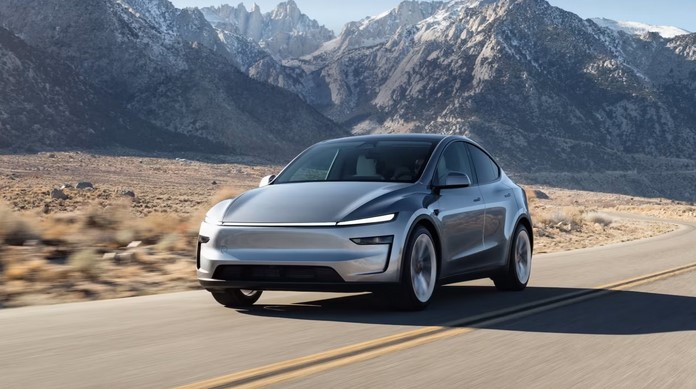
Source:https://static1.pocketlintimages.com
As electric vehicles (EVs) become more mainstream, governments around the world are taking steps to incentivize their adoption. One of the most significant incentives in the United States is the federal EV tax credit, designed to make purchasing an electric vehicle more affordable. With increasing interest in EVs and the ongoing transition to clean energy, understanding the latest EV tax credit updates is essential for anyone considering an electric vehicle purchase in 2025. This article will explore the key updates to the EV tax credit for 2025, what they mean for potential buyers, and how these changes could impact the future of EV adoption.
What is the EV Tax Credit?
The EV tax credit is a federal program designed to incentivize the purchase of electric vehicles and plug-in hybrid electric vehicles (PHEVs). Under the original scheme, buyers could receive a tax credit of up to $7,500 for qualifying vehicles. However, this credit has undergone several revisions over the years to improve its effectiveness and address concerns such as battery sourcing, vehicle assembly, and the income thresholds for eligibility.
For 2025, the EV tax credit updates bring significant changes to both eligibility requirements and credit amounts. The purpose of these updates is to encourage more people to switch to electric driving while also stimulating growth in the domestic EV manufacturing industry.
Key EV Tax Credit Updates for 2025
The following updates will apply to the EV tax credit in 2025, making it important for prospective EV buyers to stay informed about these changes.
1. Income and Price Caps
One of the most notable updates for 2025 is the introduction of stricter income and price caps. These caps are aimed at making the credit more targeted and ensuring it goes to those who need it most.
- Income Caps: For 2025, the income limits for qualifying buyers will be capped at $150,000 for individuals and $300,000 for joint filers. This means higher-income individuals will no longer be eligible for the full credit, making the incentive more accessible to middle-class buyers.
- Vehicle Price Caps: Additionally, there will be a price cap for the vehicles themselves. For sedans, the price limit is set at $55,000, while SUVs, trucks, and vans can be priced up to $80,000. This ensures that the tax credit is primarily available for more affordable EV options, although higher-end models will still qualify if they meet the criteria.
2. Battery Sourcing Requirements
Another major update to the EV tax credit is the requirement for more domestic sourcing of EV batteries. To qualify for the full $7,500 credit, a significant portion of the battery’s critical minerals must come from the United States or its trade partners. By 2025, automakers will need to meet these sourcing requirements, which will promote the growth of the U.S. battery manufacturing industry.
- Critical Minerals: The vehicle’s battery must have a specified percentage of critical minerals—such as lithium, nickel, and cobalt—sourced from the U.S. or its trade partners. This percentage is expected to rise over time, eventually reaching 50% by 2025.
- Battery Component Manufacturing: A portion of the battery’s components must also be manufactured in the U.S., further reducing reliance on foreign suppliers.
This update to the EV tax credit aims to bolster the U.S. supply chain, create jobs, and reduce the environmental impact of sourcing raw materials for EV batteries.
3. New Eligibility for Used EVs
In a major shift, the 2025 EV tax credit updates will expand the credit to include used electric vehicles. Previously, the federal tax credit was only available to new car buyers, leaving used EV buyers without incentives. Now, for qualifying used EVs, buyers can receive a credit of up to $4,000 or 30% of the purchase price—whichever is less.
- Used EV Price Cap: The vehicle’s price cannot exceed $25,000 for it to qualify for the used EV credit.
- Income Eligibility: The buyer’s income must not exceed $75,000 for individuals or $150,000 for joint filers to be eligible for the used EV tax credit.
This change is expected to open up the market for used EVs, providing more affordable options for buyers and helping to further increase the number of electric vehicles on the road.
4. Credit Transferability and Point-of-Sale Rebates
In 2025, there will also be new provisions regarding the transferability of the EV tax credit. Rather than having to wait until the next tax season to receive the benefit, buyers will be able to apply the credit directly at the point of sale, reducing the upfront cost of the vehicle.
- Point-of-Sale Rebates: Through this update, buyers can apply the tax credit directly at the dealership, lowering the purchase price of the EV instantly. This will be especially beneficial for those who cannot afford to pay the full price of the vehicle upfront and then wait for the tax credit to be refunded.
- Credit Transferability: The new rule will allow the credit to be transferred to leasing companies, which means people who lease their EVs can also benefit from the tax incentives. Leasing companies can then pass on the savings to customers, making EVs more affordable in the long term.
5. Increased Credit for Commercial Vehicles
Another significant update involves the expansion of the EV tax credit to include commercial electric vehicles (EVs). Businesses looking to adopt electric fleets for delivery, transportation, and other purposes can receive an enhanced credit.
- Commercial Vehicle Credit: For 2025, businesses can qualify for up to $40,000 in credits for each qualifying electric commercial vehicle. This is part of an effort to help reduce carbon emissions across various industries, especially in areas like delivery and logistics where traditional combustion engine vehicles are still dominant.
This expanded credit could help accelerate the shift to electric commercial fleets, which would have a significant impact on reducing overall emissions.
How These Updates Impact EV Buyers in 2025
The EV tax credit updates for 2025 are designed to make electric vehicles more accessible to a wider range of buyers while also supporting U.S. manufacturing and the transition to clean energy. These updates reflect the growing importance of EVs in the automotive market and the government’s commitment to meeting climate goals.
For buyers, these updates provide several advantages:
- More Affordable EVs: With expanded eligibility for both new and used vehicles, buyers now have a wider selection of EVs that can qualify for the credit, making electric cars more affordable across different income levels.
- Point-of-Sale Savings: The ability to apply the credit immediately at the point of sale means that buyers don’t have to wait for a tax refund, making the purchase process smoother and more financially manageable.
- Support for Businesses: For commercial buyers, the enhanced credit for electric fleet vehicles offers an excellent opportunity to reduce long-term operational costs while transitioning to cleaner alternatives.
These changes will make it easier for consumers to adopt EVs and will help further the shift toward sustainable transportation options in the U.S.
In conclusion, the EV tax credit updates for 2025 offer a host of benefits for potential EV buyers, from new income and price caps to greater accessibility for used vehicles. With a focus on domestic manufacturing, sustainability, and affordability, these updates are an important step toward increasing electric vehicle adoption. Whether you are looking for a new EV, a used model, or even a commercial vehicle, these tax incentives are designed to help make your transition to electric driving easier and more affordable. Be sure to stay updated on the latest policies and take full advantage of these federal benefits when considering your next electric vehicle purchase.