How to Warm Up a Car Engine in Cold Weather: Best Practices
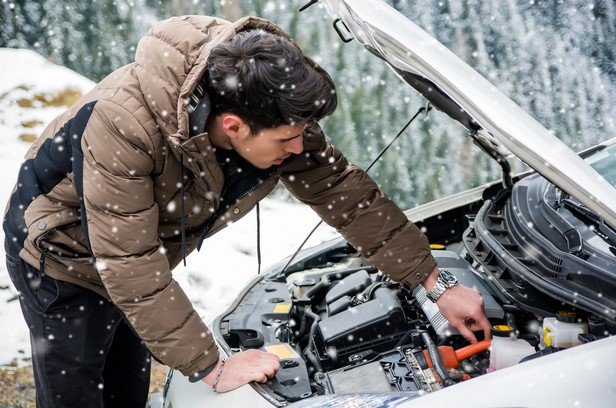
Source:https://www.autostoday.com
Cold weather presents unique challenges for vehicles, especially during startup and the first few minutes of operation. Engines, fluids, and internal components behave differently at low temperatures, making proper warm-up essential for performance and longevity. Many drivers ask How to warm up a car engine in cold weather, not only to improve comfort but also to reduce mechanical stress and potential damage. This article introduces a modern, practical approach to engine warm-up, focusing on efficiency, mechanical care, and best practices suited to today’s vehicles.
Why Cold Weather Affects Engine Performance
When temperatures drop, engine oil thickens, fuel vaporization becomes less efficient, and metal components contract. These factors combine to make cold starts one of the most demanding moments in an engine’s operating cycle. Until the engine reaches its optimal temperature, internal friction is higher and combustion is less efficient.
Oil viscosity plays a central role in this process. Thickened oil takes longer to circulate through the engine, meaning critical components may not receive immediate lubrication. This increases wear during the initial moments after startup. Modern multi-grade oils are designed to perform better in cold conditions, but they still require time to reach full effectiveness.
Fuel systems are also affected. In cold weather, fuel does not atomize as efficiently, leading to rough idling or delayed throttle response. While modern fuel injection systems have largely addressed this issue, engines still operate less efficiently until they warm up. Understanding these mechanical realities highlights why warm-up practices matter.
Another factor is emissions control. Engines are designed to run cleanly once they reach operating temperature. Cold starts typically produce higher emissions, which gradually decrease as the engine warms. Proper warm-up techniques help the engine reach this efficient state more quickly.
The Difference Between Idling and Gentle Driving
A common misconception is that extended idling is the best way to warm up an engine. While idling does allow the engine to heat up gradually, it is not the most effective or efficient method for modern vehicles. In fact, prolonged idling can delay warm-up and waste fuel.
Gentle driving shortly after startup often warms the engine more evenly. Light acceleration and moderate speeds allow the engine, transmission, and other drivetrain components to reach operating temperature together. This balanced approach reduces strain and improves overall efficiency.
Best Practices for Warming Up Your Engine
The most effective warm-up routine begins with a brief idle period. Allowing the engine to run for about 30 seconds to one minute gives oil time to circulate and stabilize. This short pause is particularly important in extremely cold conditions, where oil flow may be slower.
After this initial period, driving gently is the recommended next step. Avoid high engine speeds, rapid acceleration, or heavy loads until the temperature gauge begins to rise. Keeping engine revolutions moderate allows components to expand gradually and reduces unnecessary stress.
Using the correct engine oil is another critical best practice. Manufacturers specify oil grades designed to perform across a range of temperatures. In colder climates, choosing an oil with better cold-flow characteristics can significantly improve lubrication during startup. Regular oil changes ensure that contaminants do not further thicken the oil in winter conditions.
Parking considerations also play a role. Whenever possible, parking in a garage or sheltered area helps reduce exposure to extreme cold. Even a few degrees of temperature difference can improve startup conditions. In very cold regions, engine block heaters are commonly used to pre-warm the engine coolant and oil, making cold starts easier and less taxing.
Long-Term Benefits of Proper Warm-Up Habits
Developing consistent warm-up habits offers long-term advantages beyond immediate performance. Reduced engine wear is one of the most significant benefits. Since a large portion of engine wear occurs during cold starts, minimizing stress during this phase can extend engine life.
Fuel efficiency also improves with proper warm-up practices. Engines that reach optimal temperature more quickly burn fuel more efficiently, reducing overall consumption. This benefit becomes especially noticeable during winter months when cold starts are frequent.
Transmission and drivetrain components benefit as well. Automatic transmissions rely on fluid that thickens in cold weather, similar to engine oil. Gentle driving during the initial phase allows transmission fluid to warm and circulate properly, improving shift quality and reducing wear.
Cabin comfort is another consideration. While idling may warm the interior slowly, gentle driving typically generates heat more effectively. This results in faster defrosting of windows and improved visibility, enhancing safety during winter driving.
From an environmental perspective, reducing excessive idling lowers emissions. Modern engines are designed to operate efficiently under light load shortly after startup, making this approach both practical and responsible.
In conclusion, understanding How to warm up a car engine in cold weather involves more than simply letting the vehicle idle. By combining brief initial idling, gentle driving, proper oil selection, and thoughtful parking habits, drivers can protect their engines, improve efficiency, and enhance winter driving comfort. These best practices not only support mechanical health but also contribute to safer and more reliable vehicle operation throughout the cold season.